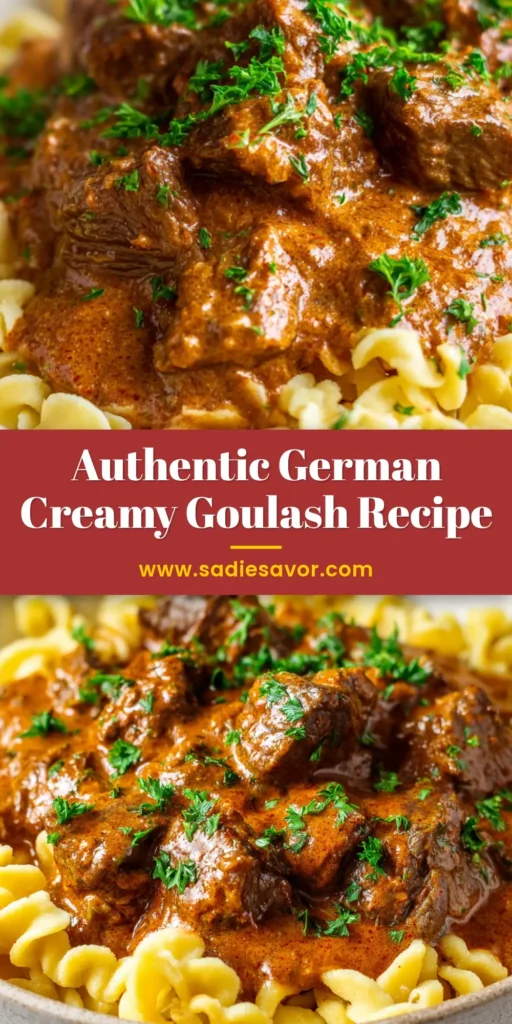
There are few dishes as deeply comforting as a perfectly executed German Creamy Goulash. Imagine tender, slow-braised chunks of beef so soft they melt in your mouth, all enveloped in a rich, velvety, reddish-brown paprika cream sauce. This authentic Rahmgulasch isn’t just a meal; it’s a warm hug in a bowl, especially when ladled over a generous pile of wavy, yellow Spätzle egg noodles that catch every last drop of the luscious gravy.
This recipe transforms simple ingredients into a symphony of flavor and texture. The secret lies in the slow braise, allowing the beef to become impossibly tender while the sauce develops a deep, complex character. Garnished with a sprinkle of fresh, vibrant parsley, it’s a rustic, elegant dish that looks just like a treasured, unedited photo from a German grandmother’s kitchen.

Why This Goulash Recipe Will Become Your New Favorite
This isn’t just another beef stew. This German Creamy Goulash delivers a truly authentic experience. Here’s what makes it so special:
- Melt-in-Your-Mouth Tenderness: We use a specific cut of beef and a low-and-slow cooking method that breaks it down into succulent, fork-tender morsels.
- A Rich and Velvety Sauce: The combination of sweet paprika, aromatics, and a final touch of cream creates a luxuriously thick and flavorful sauce that’s simply unforgettable.
- Authentic German Flavor: This recipe stays true to the spirit of Rahmgulasch (“Cream Goulash”), balancing savory, sweet, and tangy notes for a genuinely comforting meal.
- Visually Stunning: The deep reddish-brown sauce, vibrant green parsley, and golden Spätzle create a beautiful presentation, making it perfect for both family dinners and special occasions.
The Heart of Authentic Rahmgulasch: Key Ingredients
Achieving the perfect flavor and texture starts with the right components. Each ingredient plays a crucial role in building the final dish.
For the Goulash
- Beef Chuck Roast: You’ll need 2.5 lbs (1.1 kg) of beef chuck, cut into 1.5-inch (4 cm) cubes. This cut is essential for its marbling, which breaks down during cooking to create incredibly tender meat.
- Yellow Onions: Two large yellow onions, finely chopped, form the aromatic base of our sauce, providing a deep, savory sweetness.
- Garlic: Four cloves of minced garlic add a pungent, aromatic kick that complements the beef and paprika perfectly.
- Sweet Paprika: A full 3 tablespoons (24 g) of high-quality sweet Hungarian paprika is the star. It provides the signature color and flavor.
- Tomato Paste: 2 tablespoons (30 g) of tomato paste adds umami depth and helps enrich the reddish-brown color of the sauce.
- All-Purpose Flour: You’ll use 2 tablespoons (16 g) to coat the beef. This helps create a beautiful crust and acts as the initial thickener for the sauce.
- Beef Broth: 3 cups (720 ml) of low-sodium beef broth is our braising liquid, slowly tenderizing the beef and forming the body of the goulash.
- Full-Fat Sour Cream: 1 cup (240 g) of full-fat sour cream, brought to room temperature, is stirred in at the end to create that unmistakable creamy, velvety finish.
- Vegetable Oil: 2 tablespoons (30 ml) of a neutral oil like canola or vegetable is needed for searing the beef and creating the flavor foundation.
- Salt and Black Pepper: Used to season the beef and the final sauce, enhancing all the other flavors. We’ll start with 1.5 teaspoons of salt and 1 teaspoon of black pepper.
For Serving
- Cooked Spätzle: 1 lb (450 g) of cooked wavy yellow Spätzle egg noodles serves as the traditional and perfect vessel for the rich sauce.
- Fresh Parsley: 2 tablespoons of finely minced fresh curly parsley is scattered over the top for a burst of fresh, green color and flavor.
Essential Tools for Perfect Goulash
You don’t need a lot of fancy equipment for this recipe, but one piece is non-negotiable for achieving that perfect slow-braised result.
- A Heavy-Bottomed Dutch Oven: A 5-quart or larger Dutch oven is crucial. It retains and distributes heat evenly, which is key for both searing the beef and maintaining a low, steady simmer for hours.
- Cutting Board and Sharp Knife: For safely and efficiently cubing the beef and chopping your aromatics.
- Wooden Spoon or Spatula: Ideal for scraping up the delicious browned bits (fond) from the bottom of the pot after searing.
Bringing Your German Creamy Goulash to Life, Step-by-Step
Follow these steps closely, paying attention to the sensory cues to build layers of flavor for a truly authentic Rahmgulasch.
Building the Flavor Foundation: Searing the Beef
Pat your beef cubes completely dry with paper towels; this is critical for getting a good sear, not steaming the meat. In a large bowl, toss the beef with the flour, 1.5 teaspoons of salt, and 1 teaspoon of black pepper until evenly coated.
Heat the vegetable oil in your Dutch oven over medium-high heat. You’ll know it’s ready when the oil shimmers slightly. Working in two batches to avoid overcrowding the pan, add the beef in a single layer. Sear for 2-3 minutes per side, until a deep golden-brown crust forms. This crust is pure flavor! Remove the seared beef to a plate and set aside.
Creating the Velvety Paprika Sauce
Reduce the heat to medium and add the chopped onions to the pot, scraping up any browned bits with your wooden spoon. Sauté for 5-7 minutes, until the onions are soft, translucent, and have a sweet aroma. Add the minced garlic and cook for another minute until fragrant.
Turn the heat down to low. Add the tomato paste and paprika, stirring constantly for about 60 seconds. This step, called “blooming,” is vital. It toasts the spice, deepening its color and flavor, but be careful not to let it burn or it will become bitter. Immediately pour in the beef broth to deglaze the pan, scraping up any remaining flavorful bits from the bottom.

The Magic of Slow Braising
Return the seared beef and any accumulated juices back to the pot. Stir everything together and bring the liquid to a gentle simmer. Once it’s bubbling lightly, reduce the heat to the lowest possible setting, cover the Dutch oven, and let it braise for 2.5 to 3 hours. Your kitchen will fill with an incredible aroma. The goulash is ready when the beef is fall-apart tender and can be easily shredded with a fork.
The Final Touch: The Creamy Finish
Once the beef is tender, turn off the heat. To prevent the sour cream from curdling, temper it by whisking a ladleful of the hot goulash liquid into the sour cream in a separate bowl. Once smooth, pour the tempered sour cream mixture back into the Dutch oven.
Stir gently until the sauce is smooth, creamy, and has a uniform reddish-brown color. Taste and adjust seasoning with more salt and pepper if needed. To serve, ladle the German Creamy Goulash over a generous bed of warm Spätzle and garnish with the finely minced fresh parsley.
Pro Secrets for Flawless Rahmgulasch
- Don’t Rush the Sear: A deep brown crust on the beef is the first and most important layer of flavor. Give the meat time to brown properly without moving it too much.
- Use Room Temperature Sour Cream: Adding cold sour cream directly to the hot liquid can cause it to curdle. Letting it sit out for 30 minutes and tempering it first ensures a smooth, velvety sauce.
- Choose Quality Paprika: Since paprika is the star spice, using a fresh, high-quality sweet Hungarian paprika will make a noticeable difference in the final taste.
- Low and Slow is the Way to Go: Resist the urge to crank up the heat to speed up the cooking. A low, gentle simmer is what breaks down the connective tissues in the beef chuck, making it incredibly tender.
Storing and Savoring Your Goulash Later
This German Creamy Goulash tastes even better the next day as the flavors meld and deepen.
To Store: Allow the goulash to cool completely before transferring it to an airtight container. It will keep well in the refrigerator for up to 4 days.
To Reheat: Gently reheat the goulash in a saucepan over low heat, stirring occasionally, until warmed through. Avoid boiling, as this can cause the cream sauce to separate. You may need to add a splash of beef broth to thin it out slightly.
To Freeze: For best results, freeze the goulash *before* adding the sour cream. Let it cool, place it in a freezer-safe container, and freeze for up to 3 months. Thaw it overnight in the refrigerator, reheat gently on the stove, and then stir in the sour cream just before serving.
Perfect Pairings for Your Creamy Goulash
While Spätzle is the classic partner for Rahmgulasch, this rich and savory dish also pairs wonderfully with other sides. You could serve it with creamy mashed potatoes or simple egg noodles. For a vegetable side, these sweet and savory Brussels sprouts provide a lovely contrast.
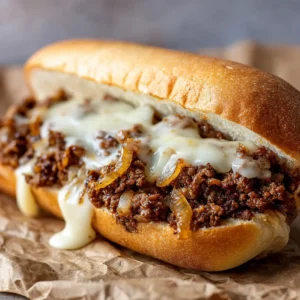
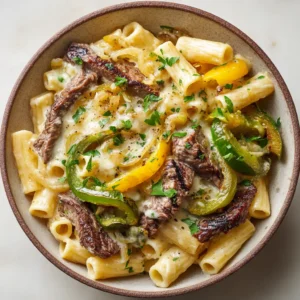
If you enjoy this style of comforting, savory meal, you might also fall in love with this creamy Philly Cheesesteak Pasta. And for an easy appetizer to serve before the main event, a simple tangy Green Olive Dip is always a crowd-pleaser.
Your German Goulash Questions, Answered
Absolutely. First, complete the searing and sautéing steps on the stovetop as directed. Then, transfer everything except the sour cream and parsley to a slow cooker and cook on low for 6-8 hours. Stir in the tempered sour cream and parsley just before serving.
Paprika can burn very easily over high heat, which gives it a bitter taste. It’s crucial to add the paprika to the pan with the heat on low and stir it for just 30-60 seconds to ‘bloom’ its flavor before adding the liquid.
Spätzle are small, soft German egg noodles. Their wavy, irregular shape is perfect for catching the thick goulash sauce. If you can’t find them, wide egg noodles, gnocchi, or even creamy mashed potatoes are great alternatives.
Beef chuck is the ideal choice. It has excellent marbling of fat and connective tissue that breaks down during the long, slow cooking process, resulting in incredibly tender and flavorful meat.
Hungarian Goulash is typically a thinner, soup-like stew, often including potatoes and carrots. German Rahmgulasch, which translates to ‘Cream Goulash,’ is defined by its thick, velvety, and rich cream-based sauce.
Ready to Cook? Get the Full German Creamy Goulash Recipe Below!
German Creamy Goulash (Authentic Rahmgulasch Recipe)
Ingredients
Equipment
Instructions
- Pat beef cubes dry with paper towels. In a large bowl, toss the beef with flour, salt, and pepper until evenly coated.
- Heat vegetable oil in a Dutch oven over medium-high heat. Working in two batches, sear the beef for 2-3 minutes per side, until a deep golden-brown crust forms. Remove beef to a plate.
- Reduce heat to medium. Add the chopped onions to the pot and sauté for 5-7 minutes until soft and translucent. Add minced garlic and cook for 1 more minute.
- Turn heat to low. Stir in the tomato paste and paprika and cook for 60 seconds, stirring constantly. Pour in the beef broth to deglaze the pan.
- Return the seared beef and any juices to the pot. Bring to a simmer, then reduce heat to the lowest setting. Cover and braise for 2.5 to 3 hours, or until the beef is fall-apart tender.
- Turn off the heat. In a separate bowl, whisk a ladleful of the hot goulash liquid into the room-temperature sour cream to temper it. Pour the tempered sour cream back into the pot and stir until smooth.
- Taste and adjust seasoning if needed. Serve immediately over warm Spätzle, garnished with finely minced fresh parsley.
Notes
Use Room Temperature Sour Cream: Letting it sit out for 30 minutes and tempering it first ensures a smooth, velvety sauce.
Choose Quality Paprika: Since paprika is the star spice, using a fresh, high-quality sweet Hungarian paprika will make a noticeable difference.
Low and Slow is the Way to Go: A low, gentle simmer is what makes the beef incredibly tender.
Share Your Culinary Creation!
I can’t wait to see your version of this German Creamy Goulash! If you make this recipe, please leave a comment below and let me know how it turned out. There’s nothing better than seeing others enjoy these comforting dishes.
For more delicious and easy-to-follow recipes, be sure to follow along on Pinterest. Happy cooking!