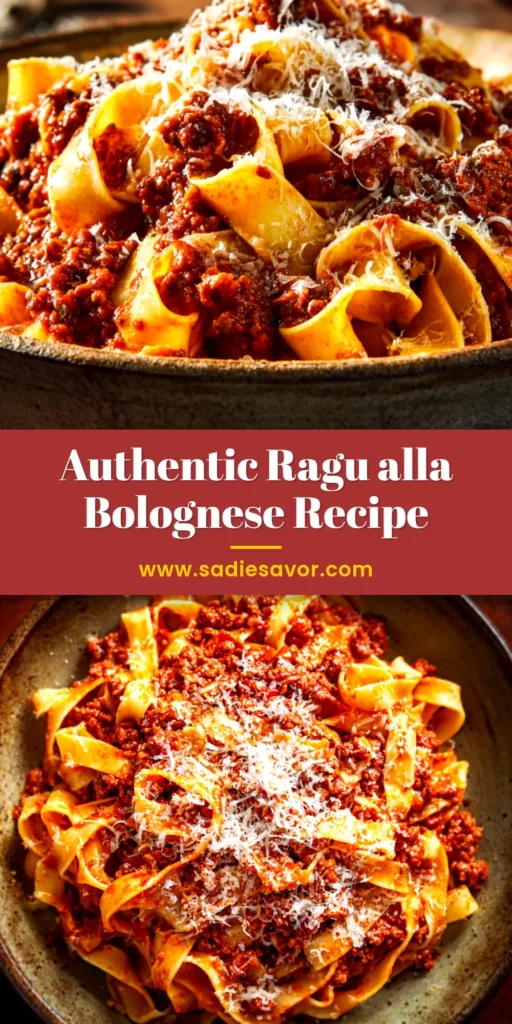
Forget every meat sauce you’ve ever known. This is the recipe for a true, authentic Ragu alla Bolognese, a dish that will transport you straight to a cozy trattoria in Bologna. We’re not making a simple spaghetti sauce; we’re crafting a rich, complex, and deeply flavorful ragu that simmers for hours, transforming simple ingredients into a masterpiece. This recipe honors tradition, focusing on a savory, meat-forward base with just a touch of tomato, enriched with milk for an unbelievably tender result. Prepare to discover the soul of Italian cooking.
What Makes a Ragu Truly “alla Bolognese”?
A true Ragu alla Bolognese is defined by its method and ingredients, which often surprise those accustomed to American-style “spaghetti bolognese.” Unlike sauces that are heavy on tomatoes and garlic, an authentic ragu is all about the meat. It uses a small amount of tomato paste or passata for depth, not as the main ingredient. The defining characteristic is the slow, patient simmer and the magical addition of milk, which tenderizes the meat and creates a velvety, luxurious texture that clings perfectly to pasta.
The Holy Trinity of Bolognese: Key Ingredients
The secret to an exceptional ragu lies in using high-quality ingredients. There are no shortcuts here; each component plays a vital role in building layers of flavor.
The Soffritto
The flavor base of so many Italian classics, the soffritto consists of finely diced onion, carrot, and celery. Cooked slowly in butter and olive oil, this aromatic trio mellows and sweetens, creating the foundational layer of the sauce.
The Meat
A combination of ground beef (with a good fat content, like 80/20) and ground pork is traditional. The beef provides a deep, rich flavor, while the pork adds moisture and a subtle sweetness. Finely diced pancetta is also crucial, rendering its fat to cook the soffritto in for an unbeatable savory start.
The Liquids
This is where the magic happens. We use dry white wine to deglaze the pot, followed by whole milk to tenderize the meat. Finally, a small amount of tomato passata (strained tomatoes) and quality beef or chicken broth are added to create the simmering liquid. A combination of liquids is key to the complex flavor profile.
How to Make Authentic Ragu alla Bolognese
Patience is the most important ingredient in this recipe. While the active preparation is straightforward, the long, slow simmer is non-negotiable for achieving the perfect texture and taste. This process cannot be rushed.
Step 1: Building the Flavor Base
Begin by melting the butter with olive oil in a large, heavy-bottomed pot or Dutch oven over medium heat. Add the finely diced pancetta and cook until it becomes crisp and has rendered its fat, about 5-7 minutes. Add the diced onion, carrot, and celery to the pot. Sauté the soffritto slowly, stirring occasionally, for about 10 minutes, until the vegetables are soft, translucent, and fragrant.
Step 2: Browning the Meat
Increase the heat to medium-high, add the ground beef and ground pork to the pot. Break up the meat with a wooden spoon and cook until it is thoroughly browned. It’s important to get a good color on the meat as this adds significant flavor. Season generously with salt and pepper.
Step 3: Deglazing and Adding Liquids
Pour in the white wine to deglaze the pan, scraping up any browned bits from the bottom of the pot. Let the wine bubble and cook until it has almost completely evaporated. Reduce the heat to low and pour in the milk. Let it simmer gently, stirring occasionally, until it has also evaporated. This step is key to tenderizing the meat. Finally, stir in the tomato passata, beef broth, and a pinch of freshly grated nutmeg.
Step 4: The Slow Simmer
Bring the sauce to a very gentle simmer. Once it begins to bubble, reduce the heat to the lowest possible setting. The sauce should have just the occasional “plop” or bubble. Cover the pot, leaving the lid slightly ajar, and let it simmer for a minimum of 3 hours, though 4 is even better. Stir every 30-45 minutes to prevent sticking. The final sauce should be thick, rich, and deeply aromatic.
Pro Tips for the Perfect Ragu
- Don’t Rush the Simmer: The long, slow cook time is essential. This is what transforms the sauce from good to sublime, melding the flavors and creating an incredibly tender texture.
- Use Whole Milk: The fat in whole milk is crucial for tenderizing the meat and adding richness. Do not substitute with low-fat milk.
- Grate Your Own Nutmeg: Freshly grated nutmeg has a warmth and aroma that pre-ground nutmeg lacks. It’s a small detail that makes a big difference.
- Taste and Adjust: Near the end of cooking, taste the ragu and adjust the seasoning with more salt and pepper if needed.
How to Serve Ragu alla Bolognese
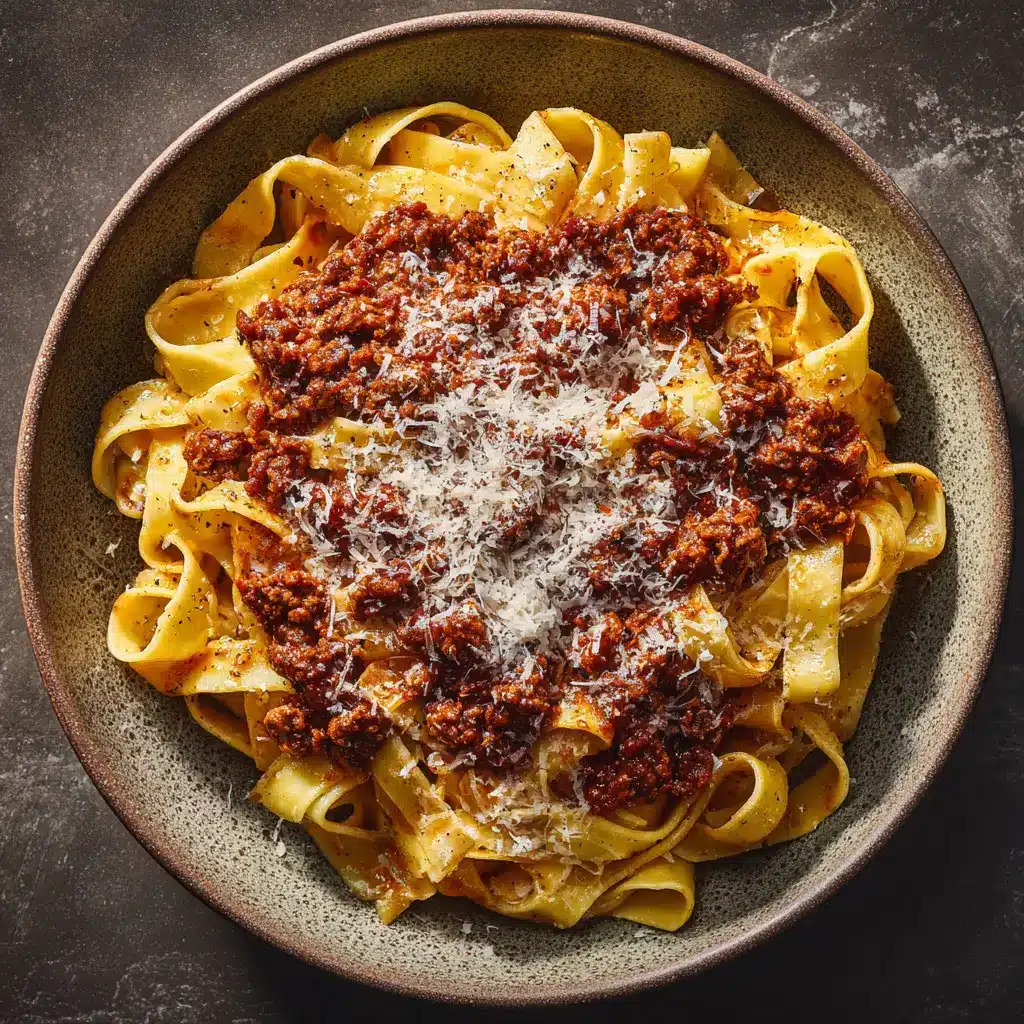
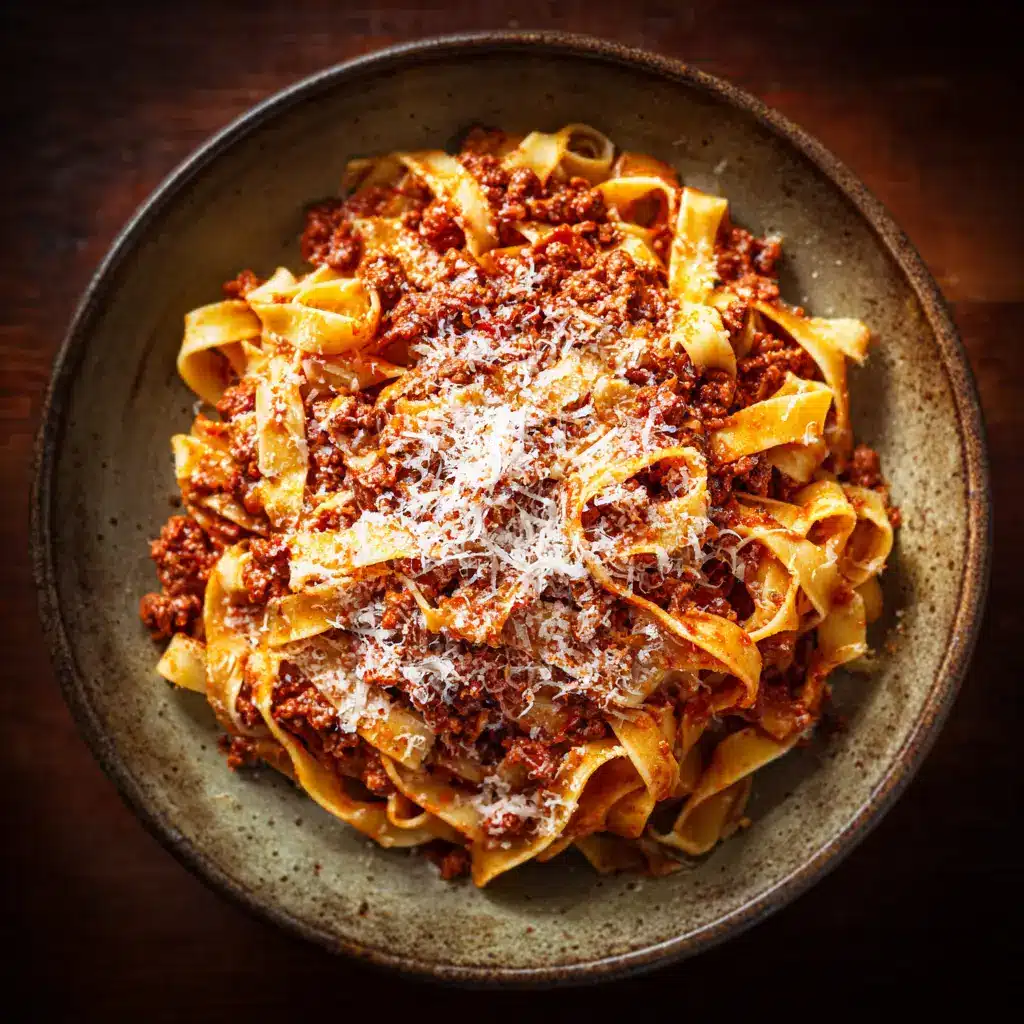
Traditionally, Ragu alla Bolognese is never served with spaghetti. The thick, hearty sauce requires a pasta that can hold it. The best choice is fresh egg tagliatelle. Pappardelle or other wide, flat pasta shapes are also excellent. For a comforting, homestyle meal, you could also try serving it with a creamy creamy mashed potatoes instead of pasta. Always finish with a generous grating of Parmigiano-Reggiano cheese.
Storing and Freezing Your Bolognese
Bolognese is the perfect make-ahead meal. In fact, its flavor deepens and improves overnight. Store it in an airtight container in the refrigerator for up to 5 days. For longer storage, allow the ragu to cool completely, then transfer it to freezer-safe containers or bags. It can be frozen for up to 3 months. Thaw it overnight in the refrigerator before reheating gently on the stovetop. This is a great recipe to pair with our homemade garlic knots. For another comforting pasta dish, try this Chicken Garlic Parmesan Pasta.
Frequently Asked Questions about Ragu alla Bolognese
For a truly authentic and flavorful Ragu alla Bolognese, you should simmer the sauce for a minimum of 3 hours. A longer simmer of 4 to 5 hours will result in an even richer flavor and more tender meat.
Traditionally, dry white wine is used in Ragu alla Bolognese. It adds a subtle acidity and complexity without overpowering the meat. A good quality Pinot Grigio or Sauvignon Blanc works perfectly. Avoid using red wine for the most authentic flavor.
Ragu is a general Italian term for a slow-cooked meat sauce. Bolognese is a specific type of ragu that originates from the city of Bologna. Therefore, all Bolognese is a ragu, but not all ragu is Bolognese.
The best combination of meat for Bolognese is a mix of ground beef (with a higher fat content, like 80/20) and ground pork. The beef adds deep flavor while the pork provides moisture and a hint of sweetness for a perfectly balanced sauce.
Milk is a key ingredient in authentic Ragu alla Bolognese. It helps to tenderize the meat through the breakdown of collagen and adds a layer of richness and creamy texture that balances the acidity of the tomatoes.
More Hearty Dinner Recipes To Try
Ragu alla Bolognese: The Authentic Italian Recipe
Ingredients
Equipment
Instructions
- Melt butter and olive oil in a large Dutch oven over medium heat. Add pancetta and cook until crisp, about 5-7 minutes. Add the onion, carrot, and celery. Cook slowly for 10 minutes until soft and translucent.
- Increase heat to medium-high and add ground beef and pork. Break up the meat and cook until well browned. Season with salt and pepper.
- Pour in the white wine, scraping the bottom of the pot. Cook until the wine has evaporated. Add the milk and simmer gently until it has evaporated. Stir in the tomato passata, beef broth, and nutmeg.
- Bring to a gentle simmer, then reduce heat to the lowest setting. Cover with the lid slightly ajar. Simmer for at least 3 hours, stirring occasionally. The final sauce should be thick and rich.
- Taste and adjust seasoning if necessary. Serve hot with tagliatelle pasta and freshly grated Parmigiano-Reggiano cheese.
Notes
Ensure the simmer is very low and slow to prevent burning and develop the best flavor.
This sauce freezes exceptionally well for up to 3 months.
A Taste of Bologna in Your Kitchen
Making a true Ragu alla Bolognese is a labor of love, but the reward is a dish packed with unparalleled depth and flavor. It’s a recipe that will become a treasured part of your cooking repertoire, perfect for cozy Sunday dinners and special occasions alike. We hope you love this taste of Italy! If you make it, we’d love for you to share your creation on Pinterest!