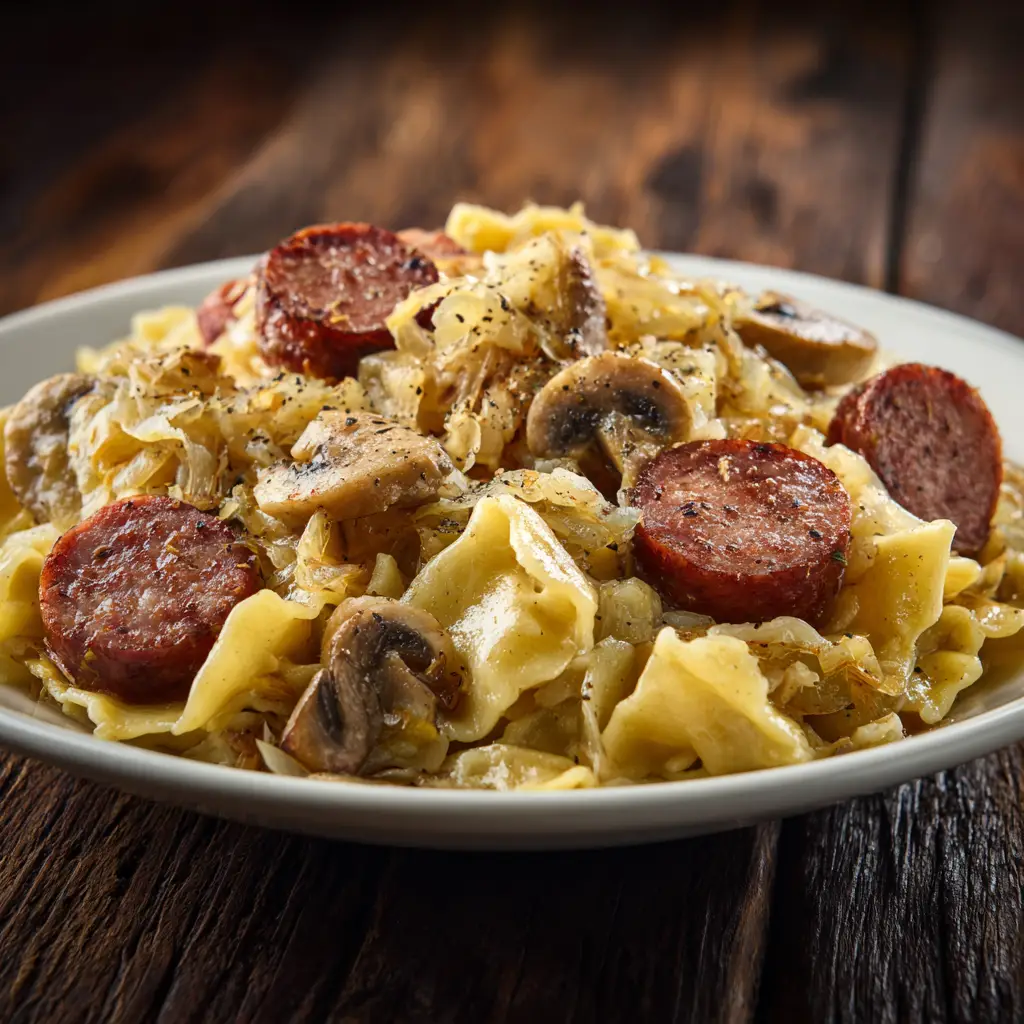
Discover the ultimate comfort food with this authentic Polish Lazanki Recipe. A delightful mix of savory bacon, tender cabbage, and hearty pasta, this dish is a celebration of simple ingredients and rich flavors. Whether you’re exploring your Polish heritage or just looking for a new family favorite, this recipe is sure to warm your heart and your home. It’s a classic dish that perfectly balances savory, smoky, and slightly sweet notes for a truly satisfying meal.
Lazanki is a traditional Polish pasta dish that combines simple, rustic ingredients to create something truly special. It’s the kind of meal that brings families together, perfect for a cozy weeknight dinner or a festive gathering. We’ll walk you through every step, ensuring your Lazanki turns out perfectly every time.
What is Lazanki?
Lazanki (łazanki) are small, square or diamond-shaped pasta noodles central to this beloved Polish dish. The name itself refers to the pasta, but it has become synonymous with the entire meal, which typically includes fried cabbage, bacon or kielbasa, and onions. Its origins trace back to the 16th century, making it a dish steeped in history. Think of it as Poland’s answer to haluski, another Eastern European cabbage and noodle favorite. This comforting, one-pan meal is a testament to the beauty of peasant food—hearty, flavorful, and wonderfully simple.

Why You’ll Love This Polish Lazanki Recipe
- Incredibly Flavorful: The combination of smoky bacon, sweet caramelized onions, and tender cabbage creates a depth of flavor that is simply irresistible.
- Simple Ingredients: You only need a handful of common, budget-friendly ingredients to create this delicious meal.
- Hearty and Satisfying: This is a true comfort food dish that will leave you feeling full and happy. It’s a perfect main course for a chilly evening.
- A Rich Tradition: Making this recipe is a great way to connect with Polish culture and culinary history, bringing a taste of tradition to your own kitchen.
Key Ingredients
This traditional Polish Lazanki Recipe relies on a few key ingredients to build its signature flavor. Here’s what you’ll need:
- Lazanki Pasta: You can find this square-shaped pasta in the international aisle of many grocery stores or at a Polish deli. If you can’t find it, egg noodles or bowtie pasta make a great substitute.
- Cabbage: A simple head of green cabbage is all you need. It becomes wonderfully tender and slightly sweet when cooked.
- Bacon: Use a good quality, thick-cut bacon for the best smoky flavor. The rendered fat is used to cook the other ingredients, infusing the entire dish.
- Kielbasa: While optional, adding smoked Polish sausage (kielbasa) adds another layer of smoky, savory goodness.
- Onion & Garlic: These aromatics form the flavor base of the dish, providing a sweet and savory foundation.
- Seasoning: Simple salt, black pepper, and a touch of caraway seeds (optional) are all that’s needed to enhance the natural flavors.
Equipment Needed
You don’t need any fancy equipment to make this rustic dish. A large skillet or a Dutch oven is essential for cooking everything together. You will also need a separate pot to boil the pasta.
How to Make Polish Lazanki
Follow these simple steps to create a delicious and authentic Polish Lazanki. This one-pan meal comes together easily for a perfect weeknight dinner.
Step 1: Prepare the Pasta
Cook the lazanki pasta according to package directions until al dente. Drain it well and set aside. Tossing it with a little bit of butter or oil can prevent it from sticking while you prepare the other ingredients.
Step 2: Cook the Bacon and Kielbasa
In your large skillet or Dutch oven, cook the chopped bacon over medium heat until it’s crispy. Remove the bacon with a slotted spoon, leaving the rendered fat in the skillet. If using kielbasa, add it to the skillet now and brown it on all sides. Remove and set aside with the bacon.
Step 3: Sauté the Cabbage and Onions
Add the chopped onion to the skillet and cook for 5-7 minutes, or until softened and translucent. Add the minced garlic and cook for another minute until fragrant. Add the shredded cabbage to the skillet, season with salt and pepper, and cook, stirring occasionally, until the cabbage is tender and slightly caramelized, about 15-20 minutes.
Step 4: Combine and Serve
Return the cooked bacon and kielbasa to the skillet with the cabbage. Add the drained lazanki pasta and stir everything together until well combined and heated through. Taste and adjust seasoning if needed. Serve your homemade Polish Lazanki hot, garnished with fresh parsley or dill if desired.
Tips for Success
- Don’t Rush the Cabbage: Allowing the cabbage to cook down properly is key. You want it to be very tender and have some nice caramelized color, as this is where much of the flavor comes from.
- Ingredient Swaps: No lazanki pasta? Use bowtie, egg noodles, or even rotini. For a different flavor profile, try using pancetta instead of bacon. For a similar hearty dish with cabbage, check out this traditional Irish Colcannon recipe.
- Sauerkraut for Tang: For a tangier version, substitute half of the fresh cabbage with drained sauerkraut. This adds a delicious, sharp flavor that cuts through the richness of the bacon. It’s a classic variation loved across Poland.
- Make it Vegetarian: To make a vegetarian version, omit the bacon and kielbasa. Sauté the vegetables in butter or oil and add some sautéed mushrooms for a savory, “meaty” element. For another great vegetarian meal, try these Stuffed Cabbage Rolls.
Serving Suggestions
Lazanki is a complete meal on its own, but it also pairs wonderfully with a few simple sides. A dollop of sour cream on top adds a cool, tangy contrast to the rich flavors of the dish. It’s also delicious served alongside a simple green salad with a vinaigrette dressing or some crusty bread to soak up any juices. If you love pasta bakes, you might also enjoy this Kielbasa Alfredo Bake.
Storage and Reheating
Lazanki stores beautifully, and the flavors often meld and become even better the next day.
- To Store: Let the dish cool completely and store it in an airtight container in the refrigerator for up to 4 days.
- To Reheat: You can reheat individual portions in the microwave or warm it in a skillet over medium-low heat. Adding a splash of water or broth can help prevent it from drying out while reheating.
Absolutely! To make a vegetarian version, simply omit the bacon and kielbasa. Use butter or oil to sauté the onions and cabbage, and consider adding sautéed mushrooms or a plant-based sausage for a savory, meaty texture.
Store leftovers in an airtight container in the refrigerator for up to 4 days. You can reheat it in a skillet over medium-low heat, adding a splash of water or broth to keep it from drying out, or simply warm it in the microwave.
Lazanki are small, square or diamond-shaped pasta noodles popular in Poland and other Eastern European countries. If you can’t find them, bowtie pasta or medium egg noodles are excellent substitutes for this recipe.
Lazanki is a hearty, all-in-one meal, but it pairs wonderfully with a dollop of sour cream or a simple side salad. Crusty rye bread is also a great addition to serve alongside it.
Lazanki and Haluski are very similar cabbage and noodle dishes. The primary difference is their origin; Lazanki is distinctly Polish, while Haluski is associated with Slovak and Ukrainian cuisine. The ingredients are nearly identical, and the names are often used interchangeably in the United States.
Absolutely! To make a vegetarian version, simply omit the bacon and kielbasa. Use butter or oil to sauté the onions and cabbage, and consider adding sautéed mushrooms or a plant-based sausage for a savory, meaty texture.
Store leftovers in an airtight container in the refrigerator for up to 4 days. You can reheat it in a skillet over medium-low heat, adding a splash of water or broth to keep it from drying out, or simply warm it in the microwave.
Lazanki are small, square or diamond-shaped pasta noodles popular in Poland and other Eastern European countries. If you can’t find them, bowtie pasta or medium egg noodles are excellent substitutes for this recipe.
Lazanki is a hearty, all-in-one meal, but it pairs wonderfully with a dollop of sour cream or a simple side salad. Crusty rye bread is also a great addition to serve alongside it.
Lazanki and Haluski are very similar cabbage and noodle dishes. The primary difference is their origin; Lazanki is distinctly Polish, while Haluski is associated with Slovak and Ukrainian cuisine. The ingredients are nearly identical, and the names are often used interchangeably in the United States.
Your New Favorite Comfort Dish
This Polish Lazanki Recipe is more than just a meal; it’s a taste of history and a bowl full of comfort. We hope you love making and sharing this traditional dish with your family and friends. If you tried this recipe, please leave a comment below and let us know how it turned out! For more recipe inspiration, be sure to follow us on Pinterest.

Polish Lazanki Recipe
Polish Lazanki Recipe: A Taste of Tradition
Ingredients
Equipment
Instructions
- Cook the lazanki pasta in a large pot of salted water according to package instructions until al dente. Drain well and set aside.
- While the pasta cooks, place the chopped bacon in a large skillet or Dutch oven over medium heat. Cook until crispy, about 8-10 minutes. Remove the bacon with a slotted spoon and set on a paper towel-lined plate, leaving the rendered fat in the skillet. Add the sliced kielbasa to the skillet and cook until browned on both sides. Remove and set aside with the bacon.
- Add the chopped onion to the bacon fat in the skillet and cook until softened, about 5-7 minutes. Add the minced garlic and cook for 1 minute more until fragrant. Add the shredded cabbage, salt, and pepper. Cook, stirring occasionally, for 15-20 minutes, until the cabbage is tender and lightly browned.
- Return the cooked bacon and kielbasa to the skillet. Add the cooked and drained pasta. Stir everything together gently until well combined and heated through. Taste and adjust seasoning with more salt and pepper if needed. Serve hot, garnished with fresh dill or parsley if desired.
Notes
Flavor Variation: For a tangy twist, replace half of the fresh cabbage with 2 cups of drained and rinsed sauerkraut.
Storage: Leftovers can be stored in an airtight container in the refrigerator for up to 4 days.