This authentic Korean Beef Bulgogi recipe delivers that perfect balance of sweet, savory, and smoky flavor you love from your favorite Korean BBQ spot, all in the comfort of your own kitchen. We’ve created a simple, foolproof guide to crafting tender, juicy, and incredibly flavorful beef bulgogi that will have everyone asking for seconds. Forget takeout; this is your new go-to for a quick and impressive weeknight dinner.
Bulgogi, which literally translates to “fire meat,” is a classic Korean dish made from thin, marinated slices of beef grilled or stir-fried. The magic is in the marinade—a rich blend of soy sauce, sesame oil, garlic, and a secret ingredient for tenderizing: Korean pear. It’s a culinary staple for good reason, and our recipe makes it accessible for every home cook.
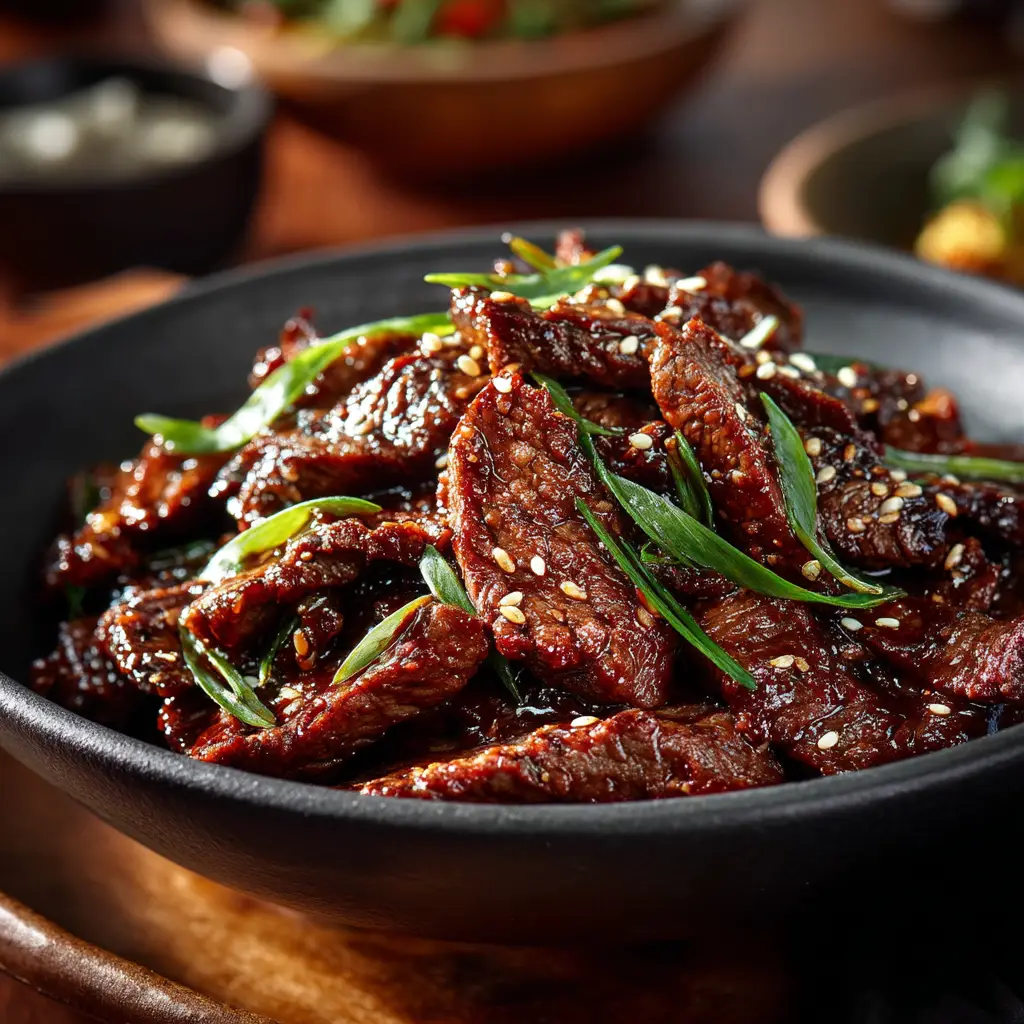
What Makes This The BEST Korean Beef Bulgogi Recipe?
There are many bulgogi recipes out there, but this one stands out for a few key reasons. We focus on authentic flavor while keeping the steps simple and the ingredients accessible.
- Perfectly Tender Beef: We’ll share the secret to achieving melt-in-your-mouth beef every time, from selecting the right cut to slicing it properly.
- Balanced Marinade: Our marinade hits all the right notes—salty, sweet, and deeply savory—without being overpowering. The grated Korean pear not only adds sweetness but acts as a natural tenderizer.
- Versatile Cooking Methods: Whether you’re using a grill pan, a cast-iron skillet, or an outdoor grill, we provide instructions for perfect results.
Choosing the Best Cut of Beef for Bulgogi
The key to amazing Korean Beef Bulgogi is using a tender, well-marbled cut of beef. The thin slices cook very quickly, so starting with a quality cut is essential. The most traditional and highly recommended choice is ribeye. Its marbling ensures the cooked beef is juicy and full of flavor.
Other great options include:
- Top Sirloin: A leaner but still tender choice that works wonderfully.
- Flank Steak: While leaner, it’s very flavorful. Be sure to slice it thinly against the grain to ensure tenderness.
Pro Tip: For easier slicing, place your beef in the freezer for 30-60 minutes. This firms it up, allowing you to get those paper-thin slices characteristic of authentic bulgogi.
The Heart of Bulgogi: The Marinade Ingredients
This bulgogi marinade is where all the flavor comes from. It’s a simple yet powerful combination of ingredients that work together to create an unforgettable taste.
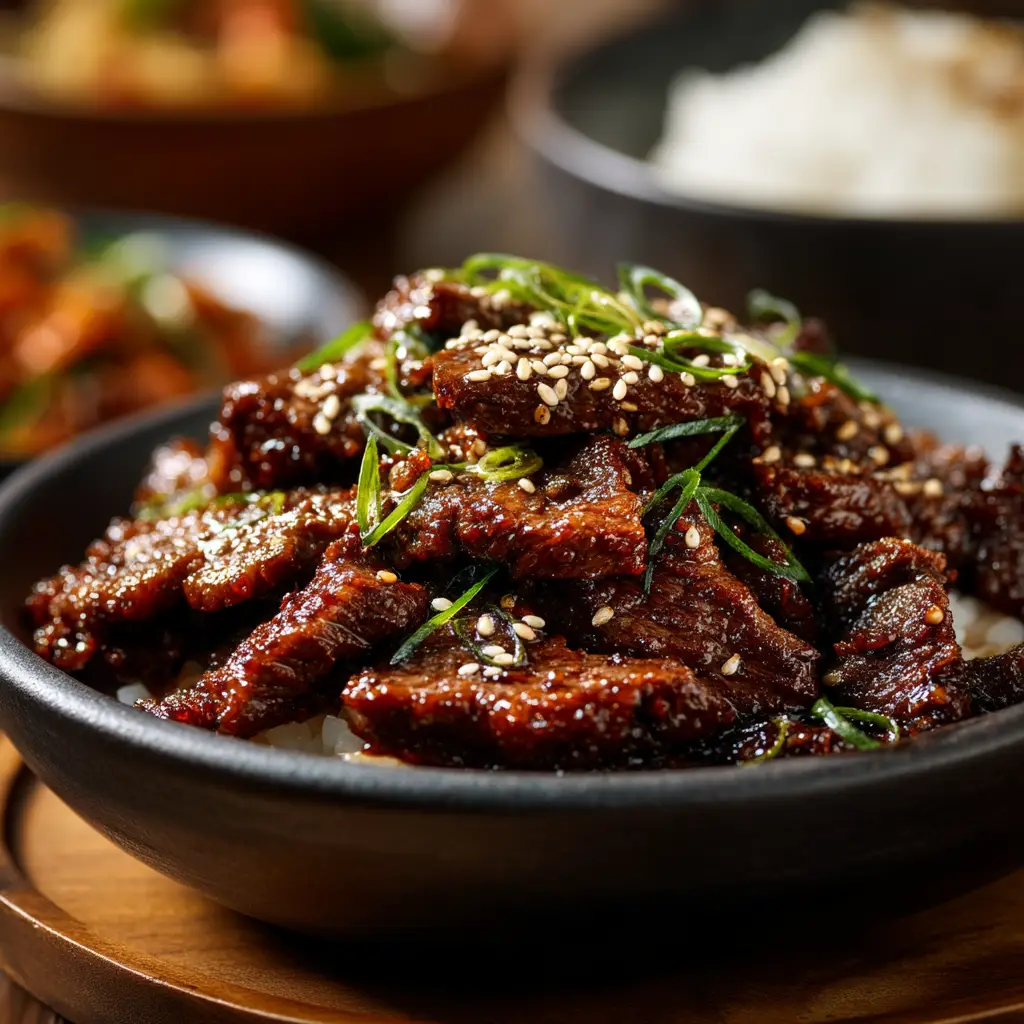
Key Marinade Components:
- Soy Sauce: The savory, umami base of the marinade. Use a low-sodium variety to better control the saltiness.
- Korean Pear: Also known as an Asian pear, this is a crucial ingredient. The enzymes in the pear act as a natural tenderizer, breaking down the beef fibers for an incredibly tender result. If you can’t find one, a Bosc pear or a sweet apple (like Fuji) will work.
- Toasted Sesame Oil: Adds a nutty, fragrant aroma that is essential to Korean cuisine.
- Brown Sugar: Provides sweetness to balance the soy sauce and helps with caramelization during cooking.
- Garlic & Ginger: These aromatics provide a pungent, zesty kick.
- Gochujang (Optional): For a hint of spicy complexity, add a teaspoon of Korean chili paste. This isn’t always traditional in bulgogi, but it adds a wonderful depth of flavor. For a truly spicy kick, check out our Spicy Pork Stir-Fry recipe.
How to Make Korean Beef Bulgogi
Making bulgogi is a simple two-step process: marinate and cook. The longer you marinate, the more flavorful the beef will be.
Step 1: Prepare the Beef and Marinade
First, slice your partially frozen beef as thinly as possible against the grain. In a large bowl, combine the soy sauce, grated Korean pear, minced garlic, grated ginger, brown sugar, and toasted sesame oil. Whisk until the sugar is dissolved. Add the sliced beef to the bowl, along with sliced onions and carrots. Use your hands to gently massage the marinade into the meat, ensuring every piece is well-coated.
Step 2: Marinate the Beef
Cover the bowl and let the beef marinate in the refrigerator for at least 2 hours, or preferably overnight for the best flavor. The enzymes from the pear need time to work their magic and tenderize the meat.
Step 3: Cook the Bulgogi
Heat a large cast-iron skillet, grill pan, or griddle over medium-high heat. You want it to be hot to get a good sear. Cook the beef in a single layer, in batches, for 1-2 minutes per side until it’s caramelized and cooked through. Avoid overcrowding the pan, as this will steam the meat instead of searing it. For a quick and easy weeknight meal, you can also cook it all at once like a stir-fry.
What to Serve with Your Bulgogi
Korean Beef Bulgogi is incredibly versatile and pairs well with many side dishes. A classic pairing is a simple bowl of steamed white rice, which soaks up all the delicious juices. For a more complete meal, consider adding some of these traditional Korean side dishes (banchan):
- Kimchi: The spicy, fermented cabbage provides a perfect tangy contrast.
- Steamed Vegetables: Broccoli or spinach are great options. Our Air Fryer Broccoli is a quick and delicious side.
- Lettuce Wraps (Ssam): Serve the bulgogi with leaves of red leaf or butter lettuce for wrapping, along with ssamjang (a spicy dipping sauce).
It also makes a fantastic main component in a rice bowl, topped with your favorite vegetables.
Storage and Reheating Tips
Proper storage is key to enjoying your bulgogi later.
- Storing: Leftover cooked bulgogi can be stored in an airtight container in the refrigerator for up to 4 days. Uncooked marinated beef can also be stored in the fridge for up to 2 days.
- Freezing: You can freeze the uncooked marinated beef in a freezer-safe bag for up to 3 months. This is a fantastic meal-prep hack! Thaw it in the refrigerator overnight before cooking.
- Reheating: The best way to reheat bulgogi is in a hot skillet for 1-2 minutes until warmed through. This helps it retain its texture without becoming tough.
For the best flavor and tenderness, you should marinate bulgogi for at least 2 hours, but marinating it overnight is highly recommended. The longer marinade time allows the flavors to deeply penetrate the meat and the enzymes from the pear to tenderize it.
Traditional Korean Beef Bulgogi is not spicy; it is primarily sweet and savory. However, some modern variations include gochujang (Korean chili paste) for a mild spicy kick. You can easily adjust the spice level to your preference.
If you cannot find a Korean (Asian) pear, the best substitutes are a Bosc pear or a sweet apple, like Fuji. These fruits contain similar enzymes that help tenderize the beef and provide the necessary sweetness for the marinade.
The best and most traditional cut for bulgogi is ribeye due to its excellent marbling, which ensures the beef is tender and juicy. Top sirloin is another great, slightly leaner option.
The main difference is the cut of meat used. Bulgogi is made with thinly sliced, tender cuts of beef like ribeye, while Galbi is made with beef short ribs. The marinade flavors are very similar, but Galbi is specifically a grilled short rib dish.
For the best flavor and tenderness, you should marinate bulgogi for at least 2 hours, but marinating it overnight is highly recommended. The longer marinade time allows the flavors to deeply penetrate the meat and the enzymes from the pear to tenderize it.
Traditional Korean Beef Bulgogi is not spicy; it is primarily sweet and savory. However, some modern variations include gochujang (Korean chili paste) for a mild spicy kick. You can easily adjust the spice level to your preference.
If you cannot find a Korean (Asian) pear, the best substitutes are a Bosc pear or a sweet apple, like Fuji. These fruits contain similar enzymes that help tenderize the beef and provide the necessary sweetness for the marinade.
The best and most traditional cut for bulgogi is ribeye due to its excellent marbling, which ensures the beef is tender and juicy. Top sirloin is another great, slightly leaner option.
The main difference is the cut of meat used. Bulgogi is made with thinly sliced, tender cuts of beef like ribeye, while Galbi is made with beef short ribs. The marinade flavors are very similar, but Galbi is specifically a grilled short rib dish.
Your New Favorite Korean Recipe!
We hope this Korean Beef Bulgogi recipe becomes a staple in your home. It’s a dish that’s both simple to make and deeply satisfying to eat. If you try it, let us know what you think in the comments below and don’t forget to share your creations on Pinterest!
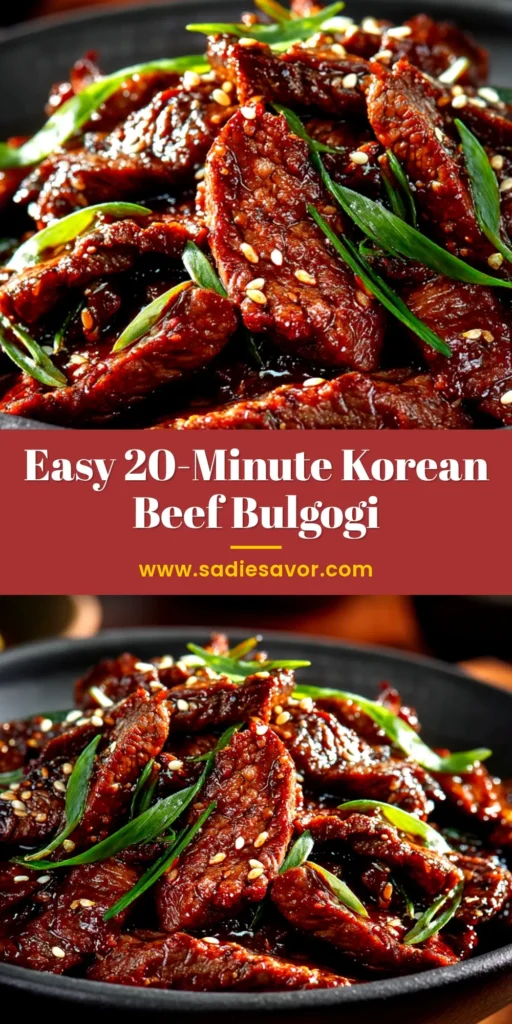
Korean Beef Bulgogi: An Authentic & Easy Recipe
This authentic Korean Beef Bulgogi recipe delivers that perfect balance of sweet and savory flavor with a simple, foolproof marinade. Learn how to make tender, juicy beef bulgogi at home for a quick and delicious dinner.
Ingredients
Equipment
Instructions
Main Instructions- For easier slicing, place the ribeye in the freezer for 30-60 minutes until firm. Slice the beef as thinly as possible (about 1/8-inch thick) against the grain.
- In a large bowl, whisk together the soy sauce, grated Korean pear, toasted sesame oil, brown sugar, minced garlic, grated ginger, and black pepper until the sugar is dissolved.
- Add the sliced beef, sliced onion, and julienned carrots to the marinade. Use your hands to gently massage the marinade into the beef, ensuring all pieces are well-coated. Cover and refrigerate for at least 2 hours, or overnight for best results.
- Heat a large cast-iron skillet or grill pan over medium-high heat. Working in batches to avoid overcrowding, place the marinated beef in a single layer and cook for 1-2 minutes per side, until caramelized and cooked through.
- Transfer the cooked bulgogi to a serving platter. Garnish with toasted sesame seeds and sliced green onions. Serve immediately with steamed rice.
Notes
If you can't find a Korean pear, a sweet apple like Fuji or a Bosc pear makes a good substitute.
For a spicier kick, add 1-2 teaspoons of gochujang (Korean chili paste) to the marinade.
Cooked bulgogi is best enjoyed immediately but can be stored in the refrigerator for up to 4 days.
Korean Beef Bulgogi: An Authentic & Easy Recipe
Ingredients
Equipment
Instructions
- For easier slicing, place the ribeye in the freezer for 30-60 minutes until firm. Slice the beef as thinly as possible (about 1/8-inch thick) against the grain.
- In a large bowl, whisk together the soy sauce, grated Korean pear, toasted sesame oil, brown sugar, minced garlic, grated ginger, and black pepper until the sugar is dissolved.
- Add the sliced beef, sliced onion, and julienned carrots to the marinade. Use your hands to gently massage the marinade into the beef, ensuring all pieces are well-coated. Cover and refrigerate for at least 2 hours, or overnight for best results.
- Heat a large cast-iron skillet or grill pan over medium-high heat. Working in batches to avoid overcrowding, place the marinated beef in a single layer and cook for 1-2 minutes per side, until caramelized and cooked through.
- Transfer the cooked bulgogi to a serving platter. Garnish with toasted sesame seeds and sliced green onions. Serve immediately with steamed rice.
Notes
For a spicier kick, add 1-2 teaspoons of gochujang (Korean chili paste) to the marinade.
Cooked bulgogi is best enjoyed immediately but can be stored in the refrigerator for up to 4 days.