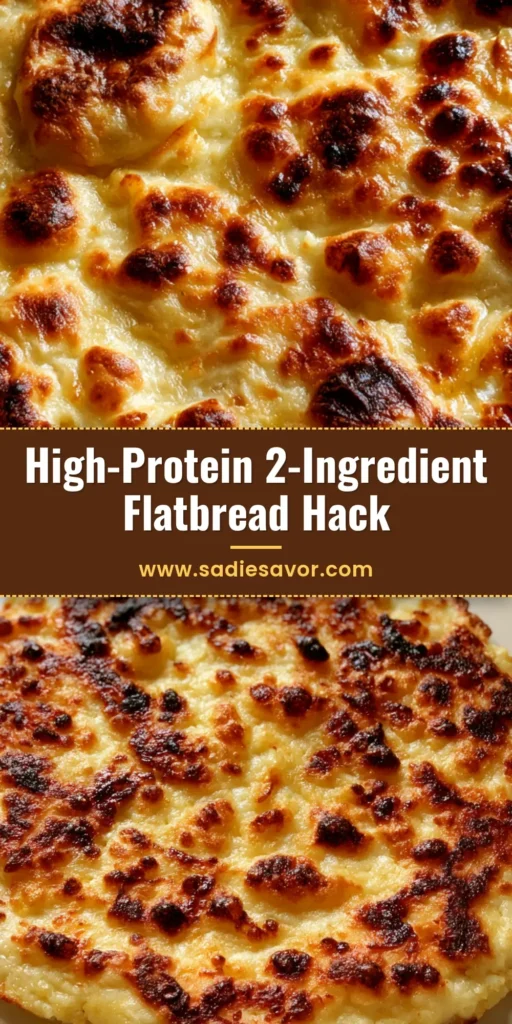
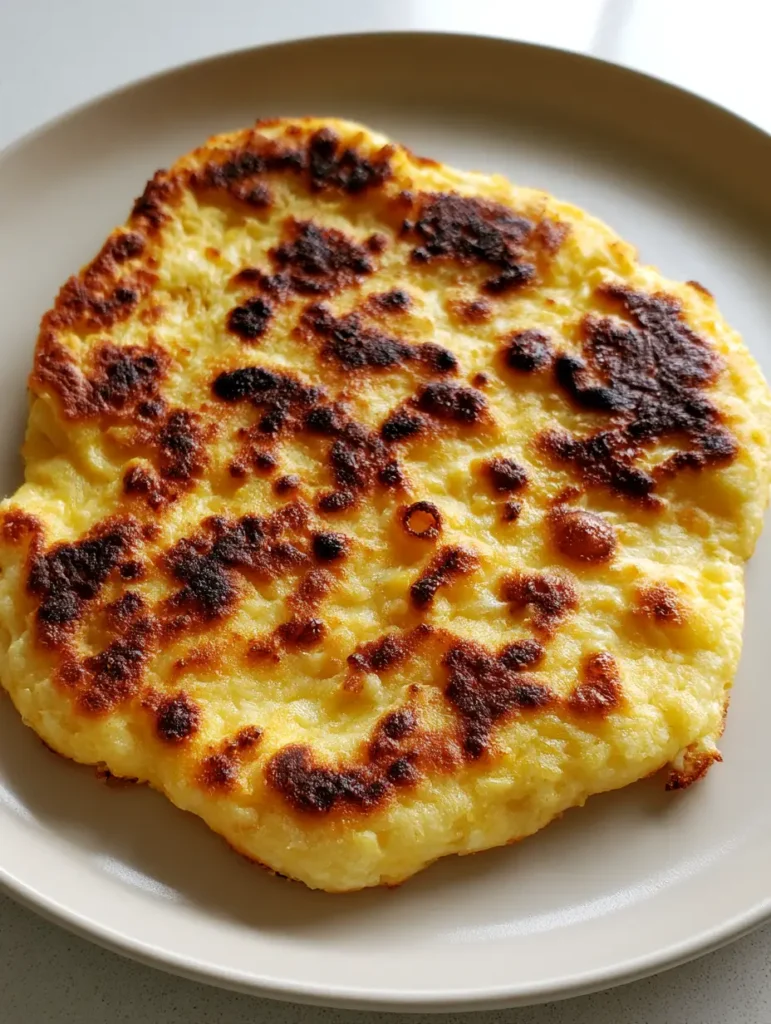
This Cottage Cheese Flatbread is the kitchen hack you didn’t know you needed, combining rustic charm with a massive protein boost. If you are looking for a soft chewy flatbread that requires no yeast and zero rising time, this is the gold standard. We have meticulously developed this recipe to ensure every hand-stretched flatbread achieves those iconic charred bubbles and a golden-yellow surface that looks just as good as it tastes.
Whether you are a seasoned baker or a beginner, the Cottage Cheese Flatbread is remarkably forgiving. By pan-searing the dough, we create a matte texture with distinct dark brown charred spots that provide a smoky depth of flavor. This recipe bridges the gap between a traditional naan and a healthy alternative, making it the perfect vessel for your favorite Mediterranean toppings or simply enjoyed warm off the skillet.
Why This High-Protein Flatbread Is a Viral Sensation
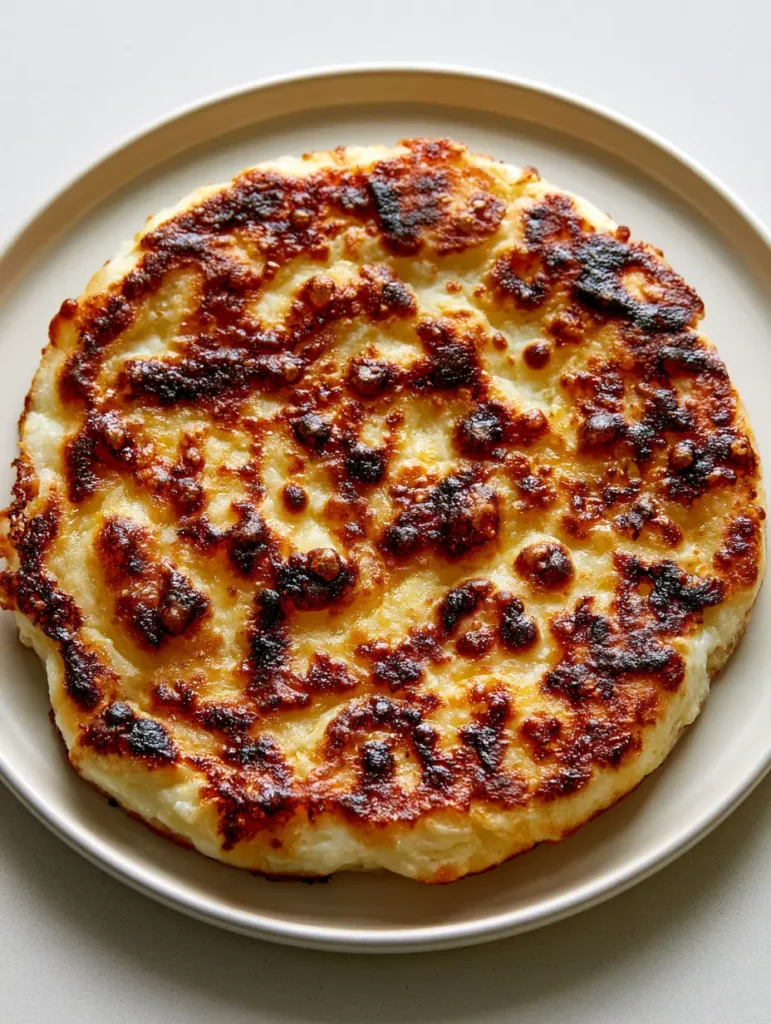
- Unbelievable Texture: The cottage cheese dough produces a soft, matte, and slightly chewy interior that mimics traditional artisanal breads.
- Visual Perfection: You will achieve a golden-yellow surface with raised air bubbles that look incredible on a neutral ceramic plate.
- Macro-Friendly: Unlike traditional flour-heavy breads, this Cottage Cheese Flatbread is packed with lean protein.
- Speed: No waiting for dough to rise; you can go from mixing bowl to pan-seared perfection in under 15 minutes.
The Simple Ingredients You’ll Need
Success with a Cottage Cheese Flatbread starts with the right ratios. We use full-fat cottage cheese for the best elasticity, but 2% works in a pinch if you want to lower the fat content.
Cottage Cheese: 1 cup (225g) of small-curd cottage cheese. This provides the moisture and the protein structure. For a smoother cottage cheese dough, we recommend a quick pulse in the blender.
Self-Rising Flour: 1 cup (125g) of self-rising flour. This contains the leavening agents necessary to create those raised air bubbles during the searing process.
Kosher Salt: ½ tsp (3g) to enhance the natural tang of the cheese. Essential for that professional, bakery-style finish.
Olive Oil: 1 tbsp (15ml) for the pan. This is what creates the golden brown surface and prevents sticking while adding a hint of richness.
How to Master the Hand-Stretched Technique
Step 1: Preparing the Cottage Cheese Base
Start by placing your 1 cup (225g) cottage cheese into a high-speed blender or food processor. Blend for 30 seconds until the texture is completely smooth and liquid. This is the secret to a soft chewy flatbread without any visible cheese curds.
Transfer the smooth liquid to a large mixing bowl. If you prefer a more rustic, hand-stretched look with occasional texture, you can skip the blending, but the dough will be slightly more difficult to roll thinly.
Step 2: Mixing the High-Protein Dough
Add the 1 cup (125g) self-rising flour and salt to the bowl. Use a sturdy spatula to fold the ingredients together until a shaggy cottage cheese dough forms. It should be slightly tacky but not stick to your fingers.
Turn the dough onto a lightly floured surface. Knead for 1-2 minutes. You are looking for a matte and slightly chewy consistency that feels elastic under your palms. Do not over-knead, or the flatbread will become tough.
Step 3: Rolling and Shaping
Divide the dough into 4 equal portions. Taking one piece at a time, use your hands to press it into a disk. This rustic, hand-stretched method ensures irregular, natural edges that add to the artisanal aesthetic.
Use a rolling pin to flatten the dough to about 1/4 inch (0.6cm) thickness. Thinner dough results in more charred bubbles, while thicker dough stays soft and chewy. Aim for a diameter that fits comfortably in your skillet.
Step 4: Achieving the Perfect Pan-Sear
Heat a cast-iron skillet or heavy-bottomed pan over medium-high heat. Add a light coating of oil. Once the pan is shimmering, carefully lay the Cottage Cheese Flatbread onto the hot surface. You should hear an immediate sizzle.
Cook for 2-3 minutes. Watch as small raised air bubbles begin to form on the top surface. Use a spatula to peek underneath; you are looking for a golden-yellow surface with distinct dark brown charred spots.
Flip the bread and cook for another 2 minutes. The second side should mirror the first, completing the pan-seared transformation. Remove and place on a neutral off-white ceramic plate to keep warm.
Expert Tips for the Best Cottage Cheese Flatbread
- Control Your Heat: If your flatbread is browning too fast without cooking through, drop the heat to medium. The golden brown surface needs time to develop without burning.
- Flour Your Hands: The cottage cheese dough can be sticky. Keep a small bowl of flour nearby to dust your hands and rolling pin.
- Wipe the Pan: Between batches, use a paper towel to wipe out any burnt flour bits to keep the matte finish clean.
- Storage: These are best served fresh, but you can keep them in an airtight bag to maintain that soft chewy flatbread texture for up to 2 days.
What to Serve with Your Flatbread
The beauty of this Cottage Cheese Flatbread is its versatility. It pairs beautifully with a fresh Authentic Greek Salad for a light lunch. The charred edges are perfect for scooping up a Three Cheese Tomato Bruschetta Dip.
If you want a heartier meal, serve these alongside Creamy Garlic Smothered Pork Chops to soak up the delicious sauce. They also make an incredible base for a quick lunch using leftover Ground Turkey Taco Skillet meat.
Storage and Reheating Instructions
To Store: Allow the Cottage Cheese Flatbread to cool completely on a wire rack. Place in a zip-top bag with a piece of parchment paper between each bread to prevent sticking. Store at room temperature for 2 days or in the fridge for 5 days.
To Reheat: For the best results, avoid the microwave as it can make the bread rubbery. Instead, place the flatbread back into a dry skillet over medium heat for 1 minute per side until the raised air bubbles crisp up again.
To Freeze: Wrap individual flatbreads in plastic wrap and store in a freezer-safe bag for up to 3 months. Thaw at room temperature before reheating in a pan.
Common Questions About This Recipe
Yes, you can mix the curds directly into the flour for a more textured, rustic bread. However, blending the cottage cheese first results in a much smoother, more traditional flatbread texture.
Surprisingly, no! Once baked or seared, the cottage cheese loses its distinct cheesy flavor and creates a mild, slightly tangy taste similar to sourdough or Greek yogurt bread.
The secret is a very hot skillet and the leavening agents in the self-rising flour. Ensure your pan is preheated on medium-high and use a heavy-bottomed skillet like cast iron.
This specific recipe uses wheat-based self-rising flour. To make it gluten-free, use a 1:1 gluten-free flour blend and add 1.5 teaspoons of baking powder and a pinch of salt.
Sticky dough usually means there is too much moisture. Add an extra tablespoon of flour at a time until the dough is workable but still soft. Atmospheric humidity can also affect the stickiness.
The Cottage Cheese Flatbread Recipe Card
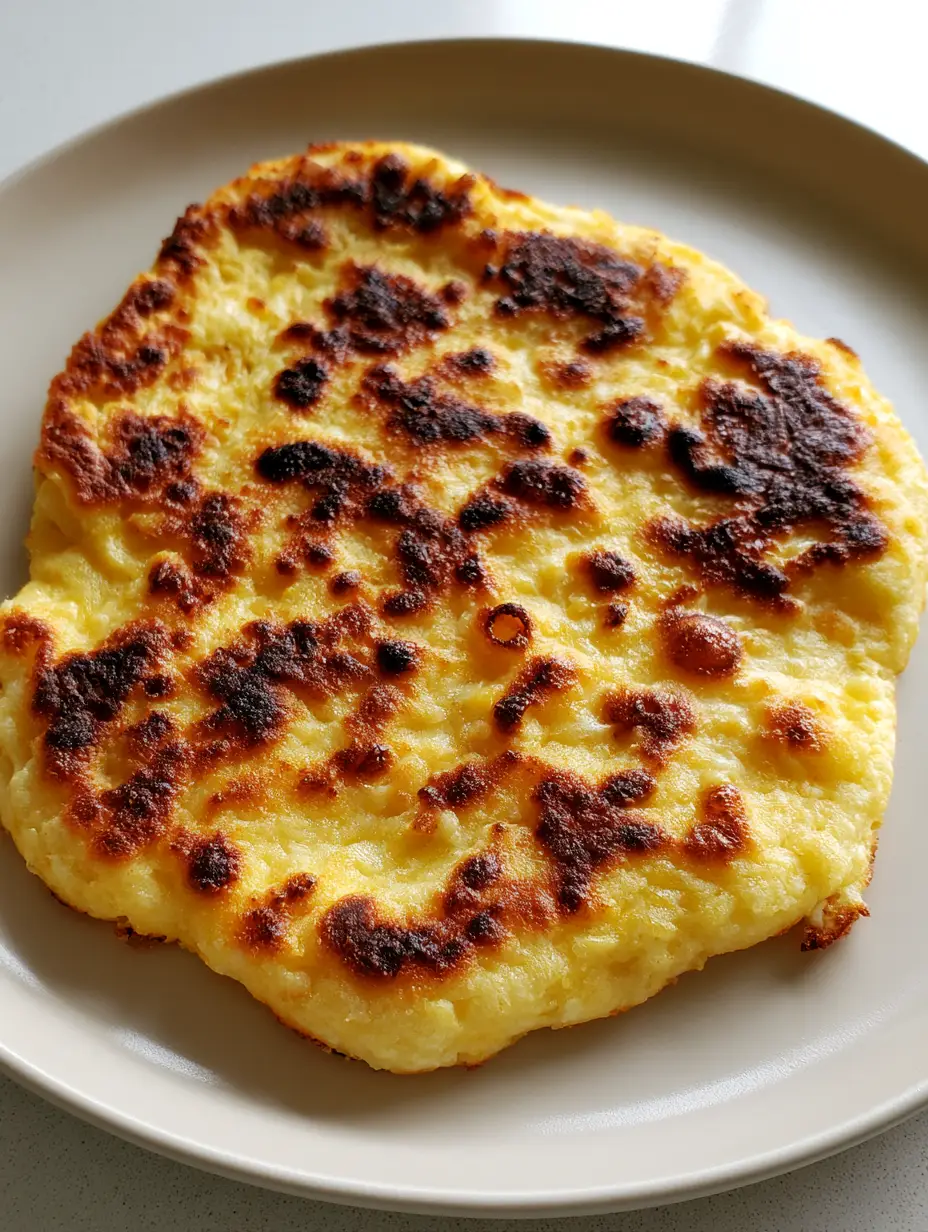
Cottage Cheese Flatbread: The Ultimate High-Protein, 2-Ingredient Wonder
Ingredients
Equipment
Instructions
- Blend the cottage cheese until completely smooth. Combine with flour and salt in a bowl.
- Knead the dough on a floured surface until a matte, soft ball forms. Divide into 4 pieces.
- Hand-stretch or roll each piece into a 1/4 inch thick flatbread with irregular edges.
- Heat oil in a skillet. Sear flatbread for 2-3 minutes per side until golden brown with dark charred spots and air bubbles.
Notes
Use a neutral ceramic plate for serving to maintain the rustic look.
Join the Sadie Savor Community!
We hope you love this Cottage Cheese Flatbread as much as we do! If you made this, please save this recipe to your Pinterest boards so you never lose it. We love seeing your recreations—take a photo of your pan-seared masterpiece on its neutral ceramic plate and share it in the comments below!
Don’t forget to leave a 5-star rating if this became your new favorite high-protein hack. Follow @sadiesavor for more viral recipes that make healthy eating taste like a cheat meal!