Welcome to the ultimate guide to making an authentic Torta della Nonna. This classic Italian dessert, which translates to “grandmother’s cake,” is a beloved staple in homes and pasticcerias across Italy. Imagine a buttery, crumbly shortcrust pastry filled with a rich, lemon-scented custard and topped with crunchy pine nuts and a dusting of powdered sugar. It’s rustic, elegant, and surprisingly simple to master.
If you’re looking for a dessert that’s both comforting and impressive, this Torta della Nonna recipe is for you. We’re breaking down every step, from the pastry to the filling, to ensure you get a perfect result every time. It’s the kind of timeless recipe that creates lasting memories, perfect for sharing with family and friends.
What is Torta della Nonna?
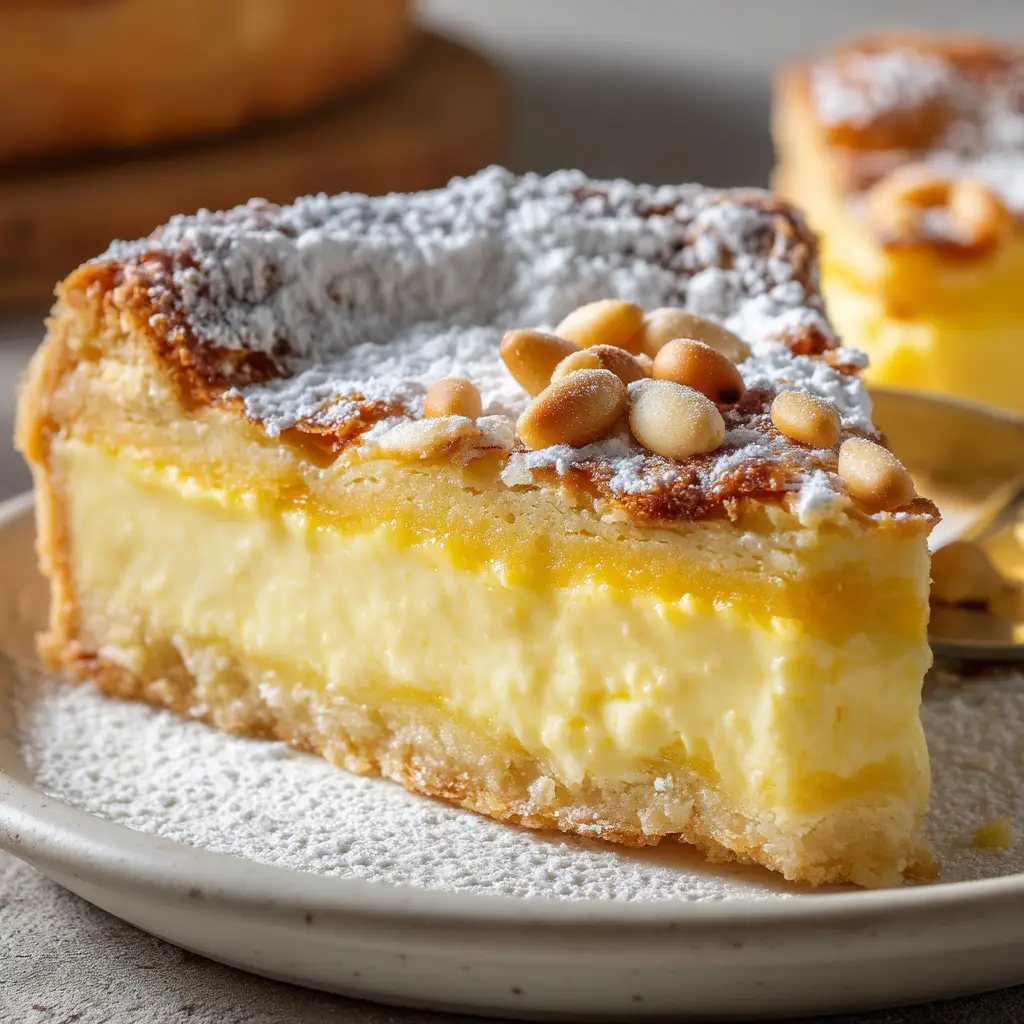
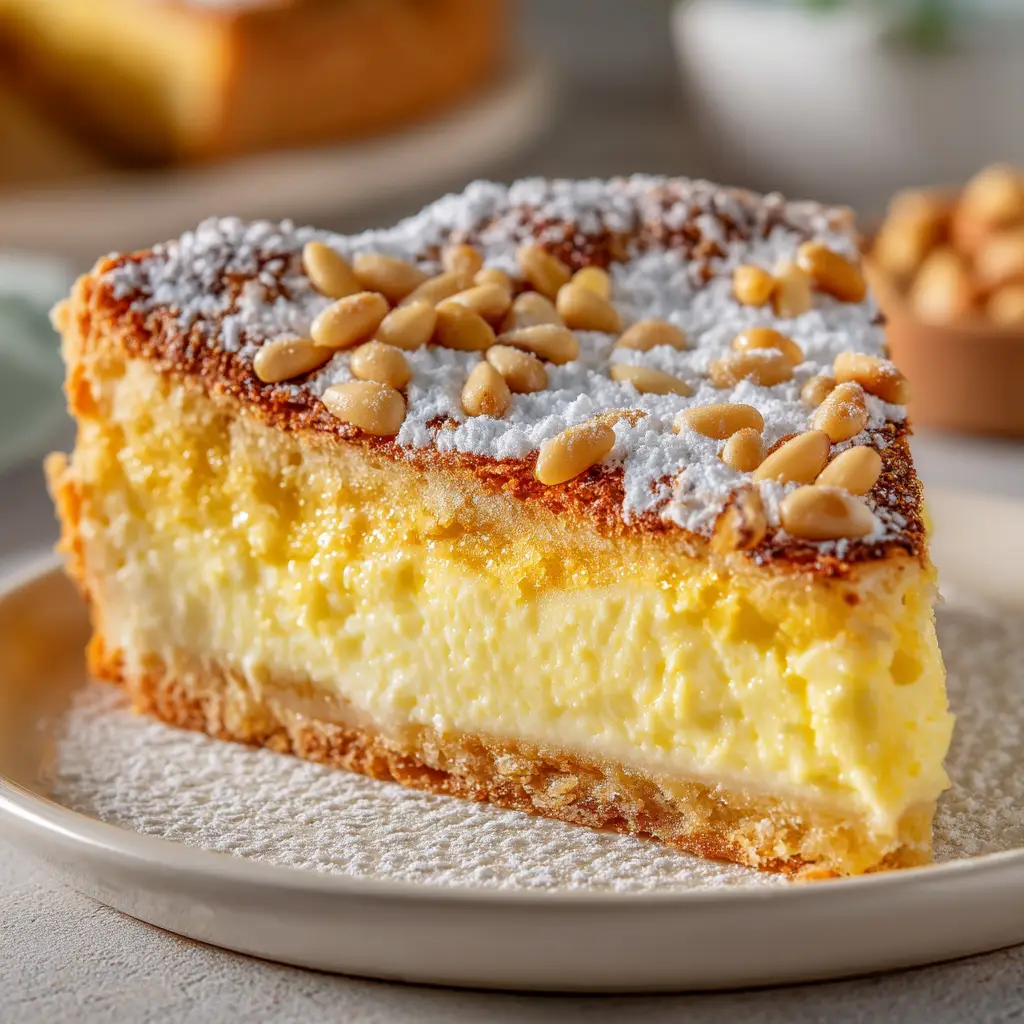
Torta della Nonna is a traditional Tuscan dessert with humble origins. It consists of two main elements: a sweet, delicate shortcrust pastry called pasta frolla, and a luscious, thick Italian pastry cream known as crema pasticcera. The top is characteristically adorned with pine nuts and a generous blanket of powdered sugar. While its exact history is debated, its soul is firmly rooted in the resourceful and loving kitchens of Italian grandmothers.
Why You’ll Love This Torta della Nonna Recipe
This isn’t just another recipe; it’s a foolproof guide to creating a show-stopping dessert. Here’s why this will become your go-to Torta della Nonna:
- Perfectly Balanced Flavors: The rich vanilla and bright lemon zest in the custard cut through the sweetness, creating a perfectly balanced flavor profile.
- Foolproof Pastry: We’ll guide you through making a tender, melt-in-your-mouth pasta frolla that’s easy to work with.
- Silky Smooth Custard: Our method ensures a lump-free, velvety crema pasticcera that sets beautifully every time.
- Crowd-Pleasing Classic: It’s a timeless dessert that’s perfect for any occasion, from a simple family dinner to a special celebration. For another classic comfort dessert, you might also love this Chocolate Chip Cookie Pie.
Understanding the Key Components
Mastering this Torta della Nonna means understanding its two core parts. Don’t be intimidated; they are simpler than they sound!
Pasta Frolla (Sweet Shortcrust Pastry)
This is Italy’s answer to the classic tart shell. It’s enriched with egg yolks and sugar, giving it a cookie-like texture that is both sturdy and tender. The key is to work the butter into the flour quickly and keep the dough cold to prevent it from becoming tough.
Crema Pasticcera (Pastry Cream)
This is the heart of the tart. A rich custard made from milk, egg yolks, sugar, and flour, it’s flavored with vanilla and fresh lemon zest. The secret to a perfect crema is constant whisking and gentle heat to achieve a thick, smooth consistency without scrambling the eggs.
Ingredients You’ll Need
Before you begin, gather your ingredients. Using high-quality, fresh ingredients will make a significant difference in the final taste and texture of your Torta della Nonna.
For the Pasta Frolla:
- 2 ½ cups (300g) All-Purpose Flour
- ½ cup + 2 tablespoons (120g) Granulated Sugar
- ½ teaspoon Baking Powder
- Pinch of Salt
- ½ cup + 1 tablespoon (125g) Cold Unsalted Butter, cubed
- 1 Large Egg
- 1 Large Egg Yolk
- Zest of 1 Lemon
For the Crema Pasticcera:
- 2 cups (500ml) Whole Milk
- 1 Lemon Peel Strip (pith removed)
- 4 Large Egg Yolks
- ¾ cup (150g) Granulated Sugar
- ⅓ cup (40g) All-Purpose Flour, sifted
- 1 teaspoon Vanilla Extract
For Assembly:
- ⅓ cup (50g) Pine Nuts
- Powdered Sugar, for dusting
Step-by-Step Instructions
Follow these detailed steps to create your beautiful Italian tart. We’ll start with the pastry, then the cream, and finally, the assembly.
Making the Pasta Frolla (Shortcrust)
- In a large bowl, whisk together the flour, sugar, baking powder, and salt.
- Add the cold, cubed butter to the flour mixture. Using your fingertips or a pastry cutter, quickly work the butter into the flour until it resembles coarse breadcrumbs.
- In a separate small bowl, whisk the egg, egg yolk, and lemon zest. Pour this into the flour mixture.
- Use a fork to combine the ingredients until a shaggy dough forms. Turn the dough out onto a lightly floured surface and gently knead it 2-3 times until it just comes together. Do not overwork it.
- Form the dough into a disc, wrap it tightly in plastic wrap, and let it rest in the refrigerator for at least 30 minutes.
Crafting the Perfect Crema Pasticcera (Custard)
- In a medium saucepan, heat the milk and the lemon peel strip over medium heat until it’s just about to simmer. Do not let it boil.
- While the milk is heating, whisk the egg yolks and sugar together in a separate bowl until the mixture is pale and creamy, about 2-3 minutes.
- Whisk the sifted flour into the egg yolk mixture until it’s fully incorporated and smooth.
- Once the milk is hot, remove the lemon peel. Very slowly, pour about half of the hot milk into the egg yolk mixture while whisking constantly. This tempers the eggs and prevents them from scrambling.
- Pour the tempered egg mixture back into the saucepan with the remaining milk.
- Return the saucepan to medium-low heat and cook, whisking constantly, until the cream thickens enough to coat the back of a spoon. This should take about 5-7 minutes.
- Remove from the heat and stir in the vanilla extract. Pour the custard into a shallow dish, cover the surface directly with plastic wrap to prevent a skin from forming, and let it cool completely.
Assembling and Baking the Torta
- Preheat your oven to 350°F (180°C). Grease and flour a 9-inch (23cm) round tart pan with a removable bottom.
- Remove the chilled pasta frolla from the refrigerator. Cut off about two-thirds of the dough and leave the remaining one-third wrapped.
- On a lightly floured surface, roll out the larger piece of dough into a circle about 1/8-inch thick and large enough to line the bottom and sides of your tart pan.
- Carefully transfer the dough to the prepared pan, pressing it gently into the bottom and up the sides. Trim any excess dough from the rim.
- Spread the cooled crema pasticcera evenly over the dough base.
- Roll out the remaining one-third of the dough into a 9-inch circle. Gently place this on top of the custard filling to create the lid. Press the edges together to seal.
- Sprinkle the pine nuts evenly over the top crust.
- Bake for 35-40 minutes, or until the crust is golden brown.
- Let the Torta della Nonna cool completely in the pan before removing it. This is crucial for the custard to set properly. Once cooled, dust generously with powdered sugar before serving.
Pro Tips for a Perfect “Grandmother’s Cake”
A few expert tips can elevate your Torta della Nonna from good to unforgettable.
- Don’t Overwork the Dough: The secret to a tender pasta frolla is minimal handling. Overworking develops gluten and results in a tough crust.
- Keep Everything Cold: Use cold butter and chill the dough. This prevents the butter from melting prematurely and ensures a flaky, tender crust.
- Patience with the Custard: Whisk the crema pasticcera constantly and don’t rush the process by turning up the heat. Slow and steady wins the race for a silky, lump-free filling.
- Cool Completely: The most important step! Allowing the torta to cool completely (a few hours) is essential for the custard to set. Slicing into it while warm will result in a runny filling.
Torta della Nonna Variations
While the classic recipe is divine, you can certainly add your own twist!
- Chocolate Lover’s Version: Add a layer of chocolate chips or a rich chocolate ganache over the bottom crust before adding the custard.
- Fruity Filling: Fold in some fresh berries or a thin layer of fruit jam into the custard for a different flavor profile.
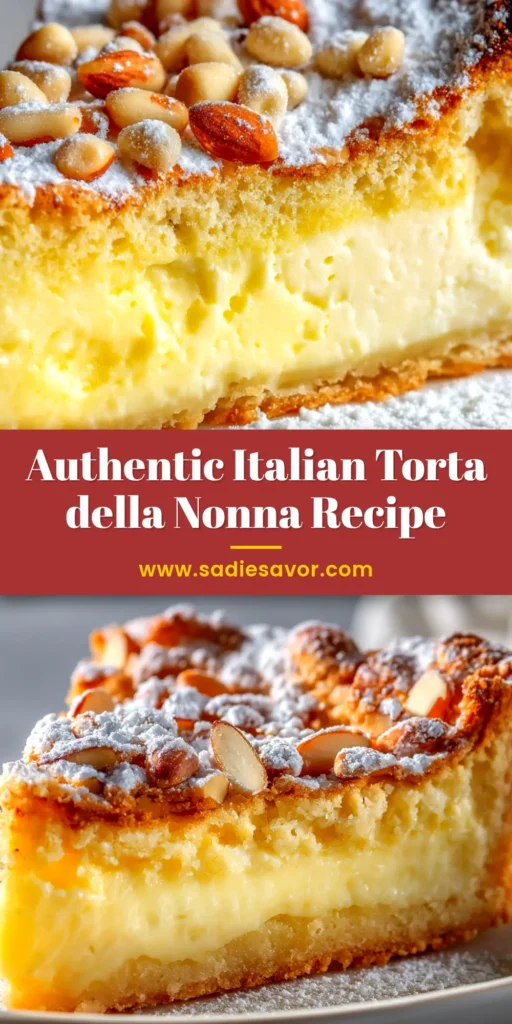
- Nut-Free Topping: If you’re not a fan of pine nuts, you can use sliced almonds or simply leave the top plain.
If you enjoy creamy dessert fillings, you might also like this decadent No-Bake Oreo Pie or this classic Banoffee Pie Recipe.
Storing and Serving Suggestions
Torta della Nonna is best served at room temperature or slightly chilled. It can be stored in an airtight container in the refrigerator for up to 3 days. The crust will soften slightly over time, but it will still be delicious. Dust with fresh powdered sugar just before serving to refresh its appearance.
Frequently Asked Questions
Yes, it’s a great dessert to make ahead! You can prepare it a day in advance and store it in the refrigerator. In fact, many people think it tastes even better the next day as the flavors have more time to meld together. Just dust with powdered sugar before serving.
Absolutely. While pine nuts are traditional, sliced or slivered almonds make a wonderful substitute. You can also leave the top plain and just finish it with powdered sugar.
Torta della Nonna has a beautiful balance of flavors. The crust is like a buttery, slightly sweet cookie, while the filling is a rich, creamy custard with bright notes of fresh lemon and a hint of vanilla. The pine nuts on top add a lovely, slightly nutty crunch.
While both are Italian pastries with a sweet pastry shell and a custard filling, a Torta della Nonna is a large tart meant to be sliced and served. A pasticciotto is a much smaller, individual-sized pastry, almost like a little custard-filled pie, originating from the Salento region of Puglia.
A runny filling is usually caused by one of two things: the custard wasn’t cooked long enough to thicken properly, or the torta was sliced while still warm. It’s crucial to let the torta cool completely for several hours so the custard can fully set.
The Perfect Torta della Nonna Awaits
You are now equipped with everything you need to bake a truly spectacular Torta della Nonna. This recipe is more than just a dessert; it’s a taste of Italian tradition that brings warmth and joy to any table. Take your time, enjoy the process, and get ready to impress everyone with your beautiful creation.
If you make this recipe, I’d love to hear about it! Leave a comment below or share a photo of your masterpiece on Pinterest!
Torta della Nonna Recipe
Torta della Nonna: An Authentic Italian Grandmother's Cake Recipe
Ingredients
Equipment
Instructions
- In a large bowl, whisk together the flour, sugar, baking powder, and salt.
- Add the cold, cubed butter and work it into the flour with your fingertips until it resembles coarse breadcrumbs.
- In a separate small bowl, whisk the egg, egg yolk, and lemon zest. Pour this into the flour mixture and combine with a fork until a shaggy dough forms.
- Turn the dough onto a floured surface and gently knead 2-3 times to bring it together. Form into a disc, wrap in plastic, and refrigerate for at least 30 minutes.
- Heat the milk and lemon peel strip in a medium saucepan over medium heat until just before simmering. Remove from heat.
- In a separate bowl, whisk egg yolks and sugar until pale and creamy. Whisk in the sifted flour.
- Slowly pour half of the hot milk into the egg yolk mixture, whisking constantly to temper the eggs. Pour the tempered mixture back into the saucepan.
- Return to medium-low heat and cook, whisking constantly, until the cream thickens (about 5-7 minutes).
- Remove from heat, stir in vanilla extract. Transfer to a shallow dish, cover with plastic wrap directly on the surface, and cool completely.
- Preheat oven to 350°F (180°C). Grease and flour a 9-inch tart pan with a removable bottom.
- Divide the chilled dough, two-thirds for the base and one-third for the top.
- Roll out the larger piece of dough and line the prepared tart pan. Trim the excess.
- Spread the cooled custard evenly over the base.
- Roll out the remaining dough to create a lid and place it on top. Seal the edges.
- Sprinkle with pine nuts and bake for 35-40 minutes, or until golden brown.
- Cool completely in the pan before removing. Dust with powdered sugar before serving.
Notes
Keep Dough Cold: Use cold butter and chill the dough to ensure a flaky texture.
Cool Completely: You must let the torta cool completely for several hours so the custard can set before slicing.